How Cafe Trip Coffee Psilocybin Fits Into a World of Supply Chain Disruption
I remember the first time I watched a container ship slide through the Suez Canal. It was a live feed, grainy and hypnotic, and I was stuck on a delayed shipment of ceramic mugs for a small cafe I used to run. That delay cost me two weeks of opening prep. Back then, I thought that was bad. Now, years later, with the Red Sea Crisis pushing shipping routes into chaos, the idea of a predictable supply chain feels almost nostalgic. And yet, here we are, with small-batch producers of functional beverages finding ways to navigate this mess. Take, for example, the emerging space of psilocybin-infused drinks. A product like Cafe Trip coffee psilocybin is a perfect case study in how niche goods survive, and even thrive, when global trade gets ugly.
The Red Sea Crisis and the Cost of Rerouting
The Red Sea Crisis, largely driven by Houthi rebels targeting commercial vessels, has turned one of the world's busiest maritime corridors into a high-risk zone. Container ships that once moved through the Suez Canal with relative ease now face the choice of paying skyrocketing maritime insurance or taking the long way around the Cape of Good Hope. That alternative route adds roughly two weeks of sailing time and hundreds of thousands of dollars in fuel costs. For an industry that runs on thin margins and just-in-time inventory, those weeks are a knife in the ribs.
Maersk, one of the largest ocean freight operators, has repeatedly suspended and resumed Red Sea transits, creating a whiplash effect for shippers. Every pause means cargo gets stuck at ports or rerouted mid-voyage. The knock-on effects hit everything from commodity prices to energy prices. European markets, which rely heavily on the Suez Canal for goods from Asia and the Middle East, have seen delays in everything from electronics to coffee beans. And if you think that doesn't matter for a small-batch psilocybin coffee brand, think again.
Why Shipping Routes Matter for Psilocybin Coffee
Let me be clear: I am not talking about the raw psilocybin itself. Most of that is cultivated locally or regionally. But the other ingredients in a product like Cafe Trip coffee psilocybin - the coffee beans, the flavorings, the packaging materials, the glass bottles or tin cans - often travel through complex global supply chains. Coffee, for instance, is grown in specific climates: Central America, East Africa, Southeast Asia. If your supplier in Vietnam is waiting on a container that's stuck off the coast of Yemen, your production timeline shifts. If the price of coffee beans spikes because energy prices drove up shipping costs, your margins shrink or your retail price goes up.
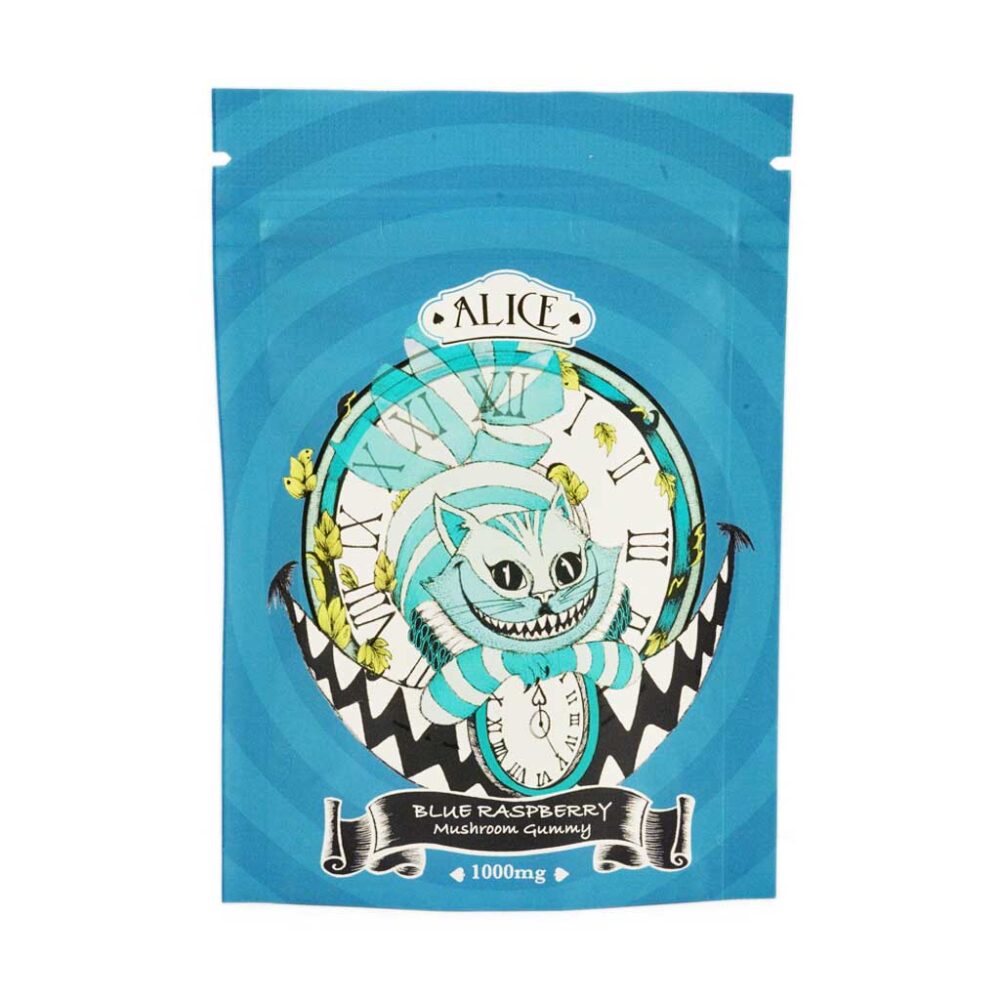
And then there's the glass. Most specialty beverage bottles come from a handful of factories in China and India. Those bottles move through the Indian Ocean, past the very waters where Houthi rebels have been attacking vessels. Maritime security in that region has become a serious concern, with naval escorts and convoy systems making headlines. Even if your product doesn't use exotic ingredients, the packaging alone can derail a launch.
Alternative Routes and the Rise of Air Freight
When ocean freight becomes unreliable, some companies pivot to air freight. It's faster, but it's also brutally expensive. For a premium product like Cafe Trip coffee psilocybin, which already carries a higher price point due to its specialized nature, absorbing air freight costs might be feasible in small quantities. But scaling up? That's a different story. A pallet of bottled drinks that costs a few hundred dollars to ship by sea could cost a few thousand by air. That math only works if your margins are fat or your customers are willing to pay a premium for reliability.
Other businesses are looking at the Cape of Good Hope route as a permanent fallback, even after the crisis eases. It's a longer journey, but it avoids the geopolitical volatility of the Red Sea. The downside is that longer transit times mean more working capital tied up in inventory. For a small producer, that can mean the difference between launching a new flavor and shelving it for a season.
Just-in-Time Inventory Meets Disruption Costs
The just-in-time inventory model, which many beverage companies adopted to reduce warehousing costs, is particularly fragile during disruptions like the Red Sea Crisis. When a container ship is delayed by weeks, you don't just lose sales - you lose shelf space. Retailers move on. Distributors allocate that slot to someone else. For a niche product, rebuilding that presence is exhausting. I've seen small kombucha brands disappear from store shelves entirely after a single shipping delay. Psilocybin coffee, despite its growing cultural acceptance, faces the same risk.
Disruption costs pile up quickly. There are demurrage fees when containers sit at ports past their allotted time. There are cancellation penalties when you can't fulfill a wholesale order. There's the cost of expediting raw materials via air freight just to keep production running. And none of that includes the soft cost of brand trust. If a customer orders Cafe Trip coffee psilocybin and it arrives a month late, they may not order again.
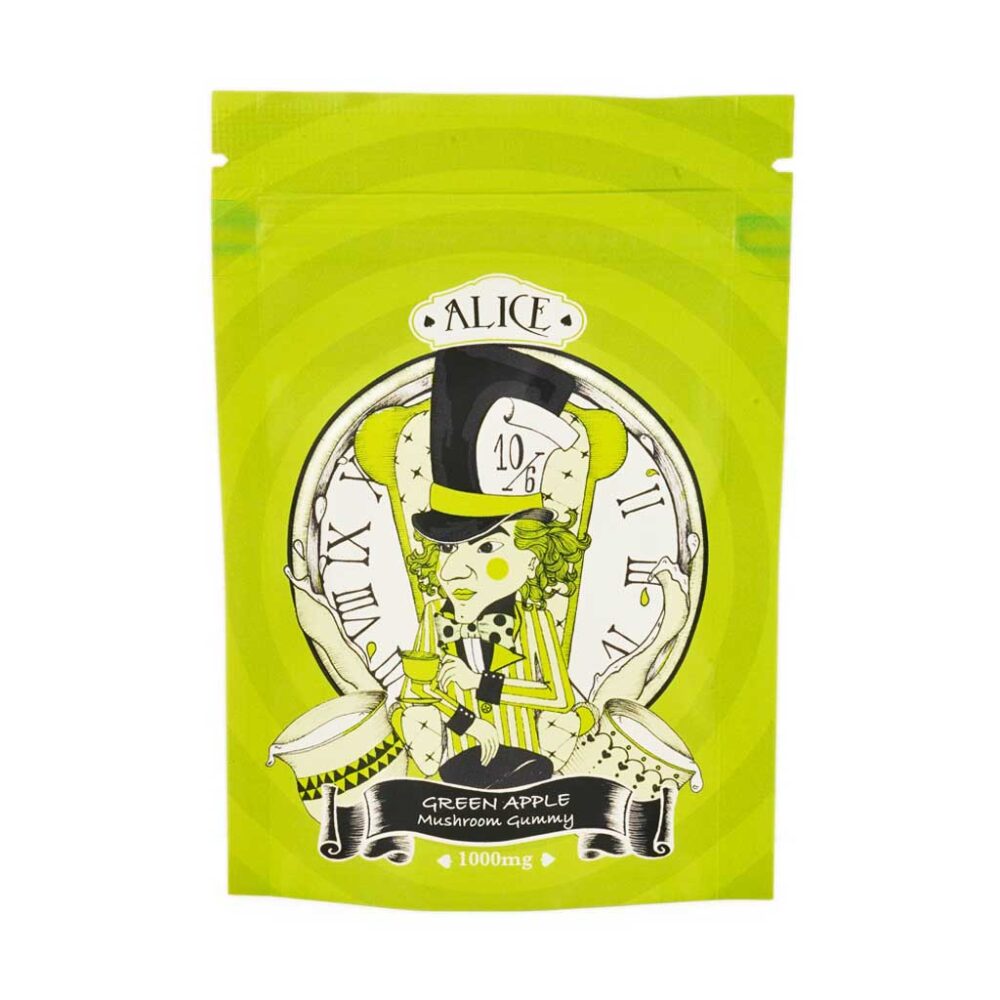
How the Industry Is Adapting
I've spoken with a few small-batch producers in the functional beverage space, and the strategies are pragmatic. Some are diversifying their supplier base, sourcing coffee from multiple regions so that a disruption in one area doesn't stop production. Others are building buffer stock - holding an extra month of inventory even though it ties up capital. A few are even exploring regional production partnerships closer to their target markets, reducing their reliance on ocean freight entirely.
Maritime insurance has also become a bigger line item in budgets. Insuring cargo that passes through the Red Sea now costs a premium, and some insurers are refusing to cover vessels that sail too close to Yemeni waters. That cost gets passed down the chain. For a product like Cafe Trip coffee psilocybin, which already operates in a legally gray area in many regions, adding a complex logistics layer is just another hurdle.
What This Means for the Consumer
For the average person buying a can of psilocybin coffee, the supply chain is invisible. You scan a QR code, place an order, and it shows up at your door. But behind that transaction is a web of decisions about shipping routes, inventory levels, and risk management. The price you pay reflects not just the cost of ingredients and labor, but the cost of rerouting around a geopolitical crisis. The Houthi rebels, the Suez Canal backups, the Indian Ocean patrols - they all leave a fingerprint on the final price tag.
That said, the resilience of small producers is worth noting. While global trade faces one of its most volatile periods since the pandemic, brands that can adapt quickly - using alternative routes, shifting to air freight for critical runs, or simply planning further ahead - are the ones that survive. Cafe Trip coffee psilocybin, as a product line, has a few advantages. It's lightweight compared to many beverages. It doesn't require refrigeration. And its customer base tends to be loyal, willing to wait a little longer or pay a little more for a consistent experience. Those factors matter when the supply chain is under stress.
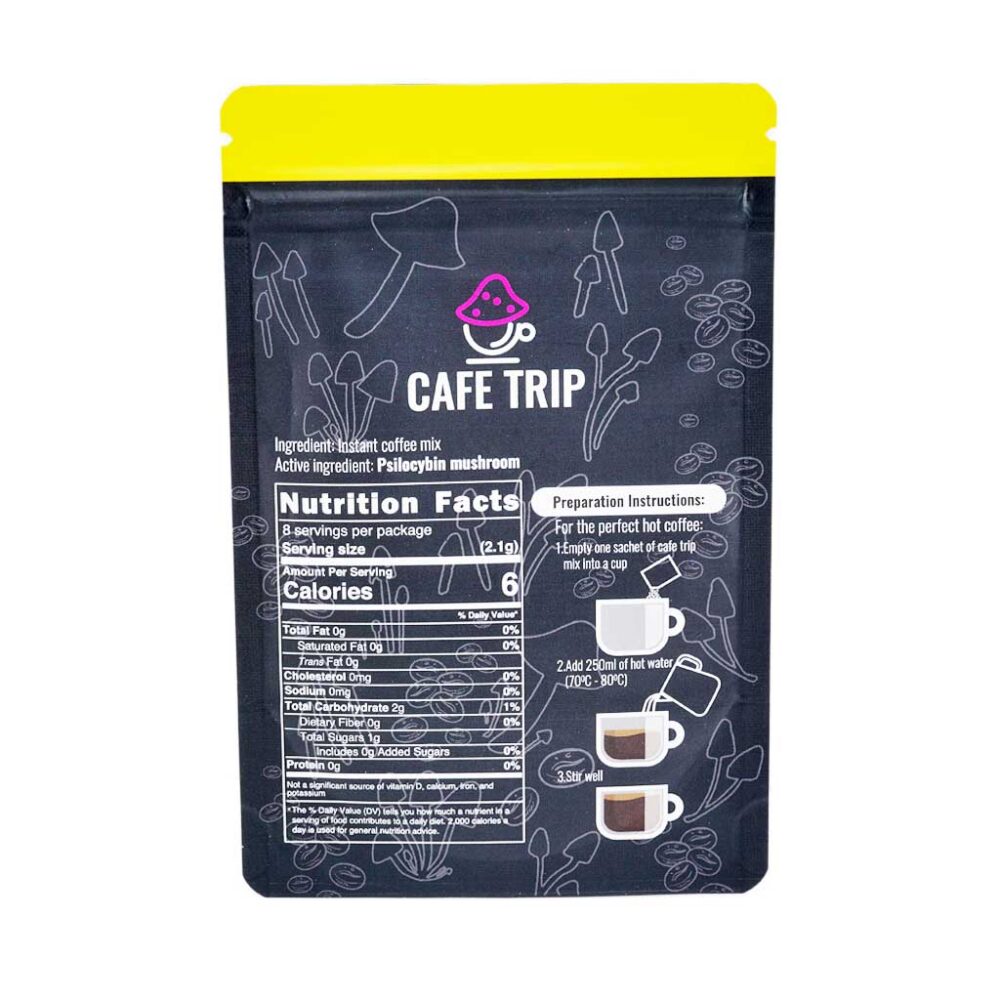
I don't think the Red Sea Crisis will resolve quickly. The underlying tensions are deep, and maritime security in that region will remain a concern for years. But that doesn't mean niche products have to vanish. They just have to be smarter about how they move. If you're a producer of Cafe Trip coffee psilocybin, you learn to love the Cape of Good Hope. You build relationships with freight forwarders who know the alternative routes. You hedge your bets with a mix of ocean and air freight. And you accept that in a world of disrupted global trade, the journey matters as much as the destination.
For the rest of us, it's a reminder that every product we consume has a story that starts far before it reaches our hands. And sometimes, that story involves a detour around a war zone.